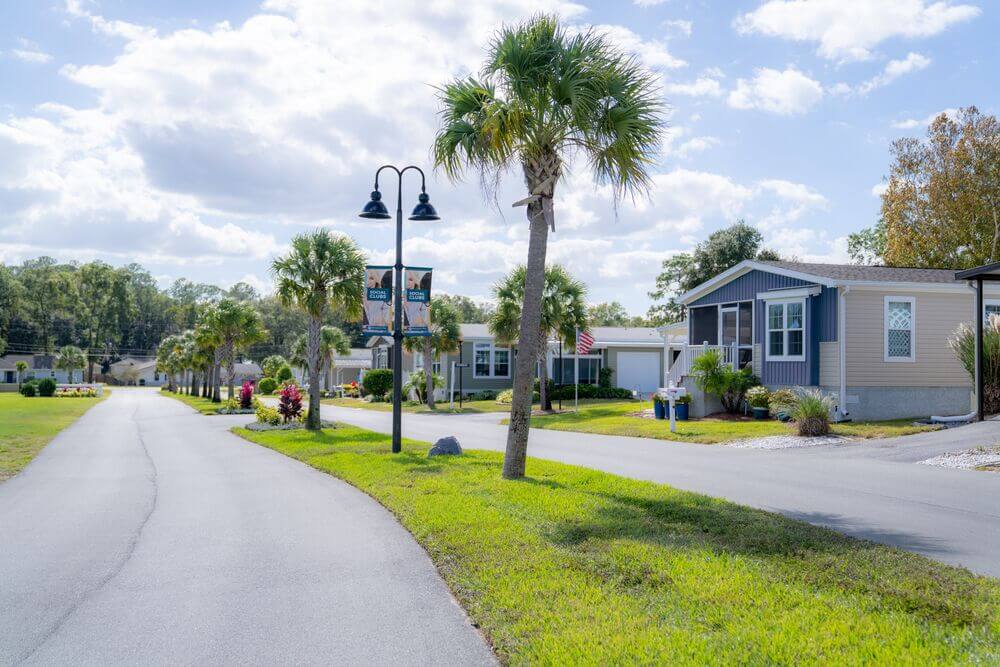
Land lease communities are growing in popularity and for good reason. They offer lower upfront costs, less home maintenance, and access to resort-style amenities.
Buying a home in a land lease community can raise a lot of questions. To help make things easier, here are some answers to the most frequently asked questions.
How Does a Land Lease Work?
Unlike traditional homeownership, residents in a land lease community purchase the home while leasing the land it sits on.
The upfront costs are often lower because buyers are not purchasing both the home and land. Instead, homeowners pay a monthly fee to the community. What these fees cover can vary greatly by community. Land lease payments, often called lot rent, sometimes cover utilities and/or access to community common areas.
Land lease agreements are common within manufactured home communities. Many buyers appreciate the lower upfront cost and added flexibility. The savings can be used for home upgrades, everyday expenses, and travel.
What Are the Advantages of Leasing Versus Owning Land?
One key advantage at some Cove Communities is that Homeowners Association membership is voluntary or inexpensive. HOA membership is optional and costs less than $12 per year in must-see communities like The Meadows in Tarpon Springs, Florida.
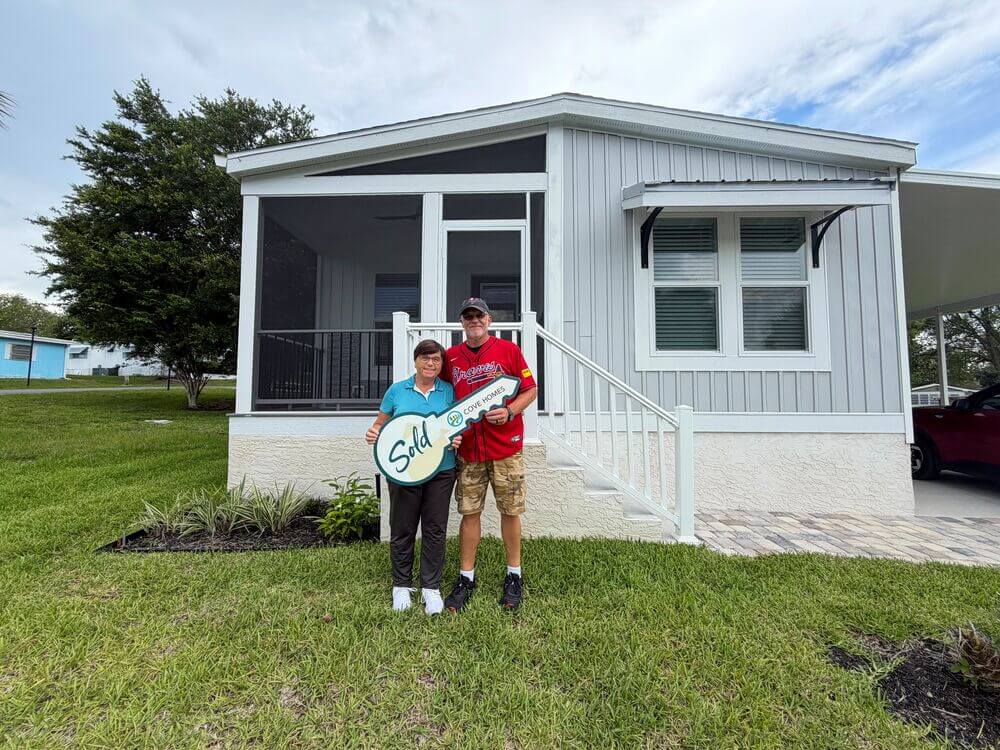
In some areas, traditional HOA fees in communities where residents own their land can be comparable to a monthly land lease payment.
Land lease costs often include services such as community management and common area maintenance. These costs are often paid separately in a traditional ownership model.
What is the Difference Between a Ground Lease and Land Lease?
The terms ground lease and land lease are sometimes used interchangeably. However, there are important differences.
Homeowners own the home but not the land it sits on in both agreements.
Land leases are most common in manufactured home communities and are designed for long-term residential living. Cypress Lakes Village in Lakeland, Florida follows this model.
Ground leases are typically long-term leases that range from 50 to 99 years. They are more commonly found in the commercial real estate market.
Who Owns the Building in a Ground Lease?
The resident owns the manufactured home or building in a ground lease agreement. The landowner retains ownership of the land.
Maintenance responsibilities depend on the lease agreement and community guidelines. In some cases, homeowners are responsible for maintenance. In other cases, the ground lease involves certain services that may be shared or professionally managed.
This long-term investment can be found in high-demand locations. Investors may acquire land in prime locations and lease it for long-term use.
What Are the Benefits of Professional Management?
One benefit of community living is professional on-site management.
On-site management assists with daily operations and community emergencies.
They also oversee the maintenance and improvement of the community and common areas. This can include maintenance, lawn care, and janitorial services to keep the community clean and well-maintained throughout the year.
At Jamaica Bay Village in Fort Myers, Florida, residents enjoy resort amenities that are professionally managed. The 55+ community offers three clubhouses, two pools, and sports courts. All supported through ongoing professional management.
What Happens if I Want To Sell?

Homeowners have options when it comes time to sell a manufactured home in a land lease community.
Some homeowners choose to sell independently.
There are additional options in communities like Jamaica Bay Village and Cypress Lakes Village, which are both owned by the same parent community – Cove Communities. Residents in these communities can pick a real estate brokerage or work with a Cove Communities sales associate.
The Cove Communities sales team publishes available homes for sale online. They also provide marketing support and help connect sellers with interested buyers.
Keeping the sale in-house can create a smoother experience for both buyers and sellers. Cove sales associates understand community details, including potential rent increases and what lenders to use.
Why Live in a 55+ Community?
One of the biggest benefits of a 55+ community is the sense of connection. Residents often find it easier to meet people who share similar interests and lifestyles.
Golf is a major part of life at Rolling Greens Village in Ocala, Florida. The Rolling Greens Golf Association hosts weekly scrambles, charity tournaments, and golf clinics throughout the year. It is a great way for residents to stay active and meet new friends.
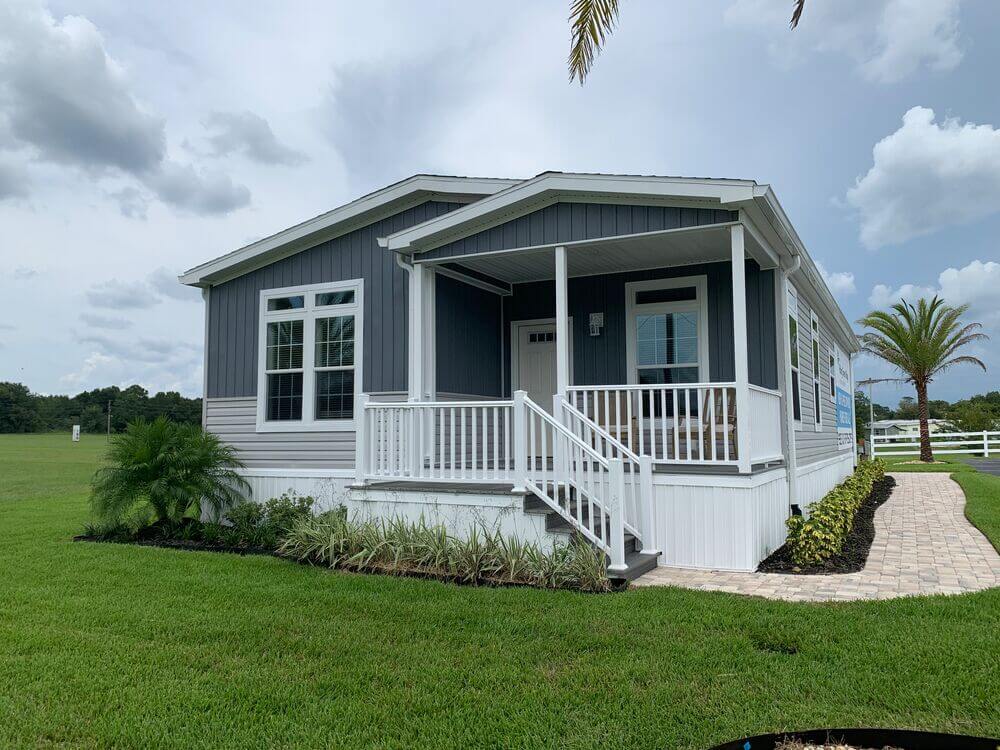
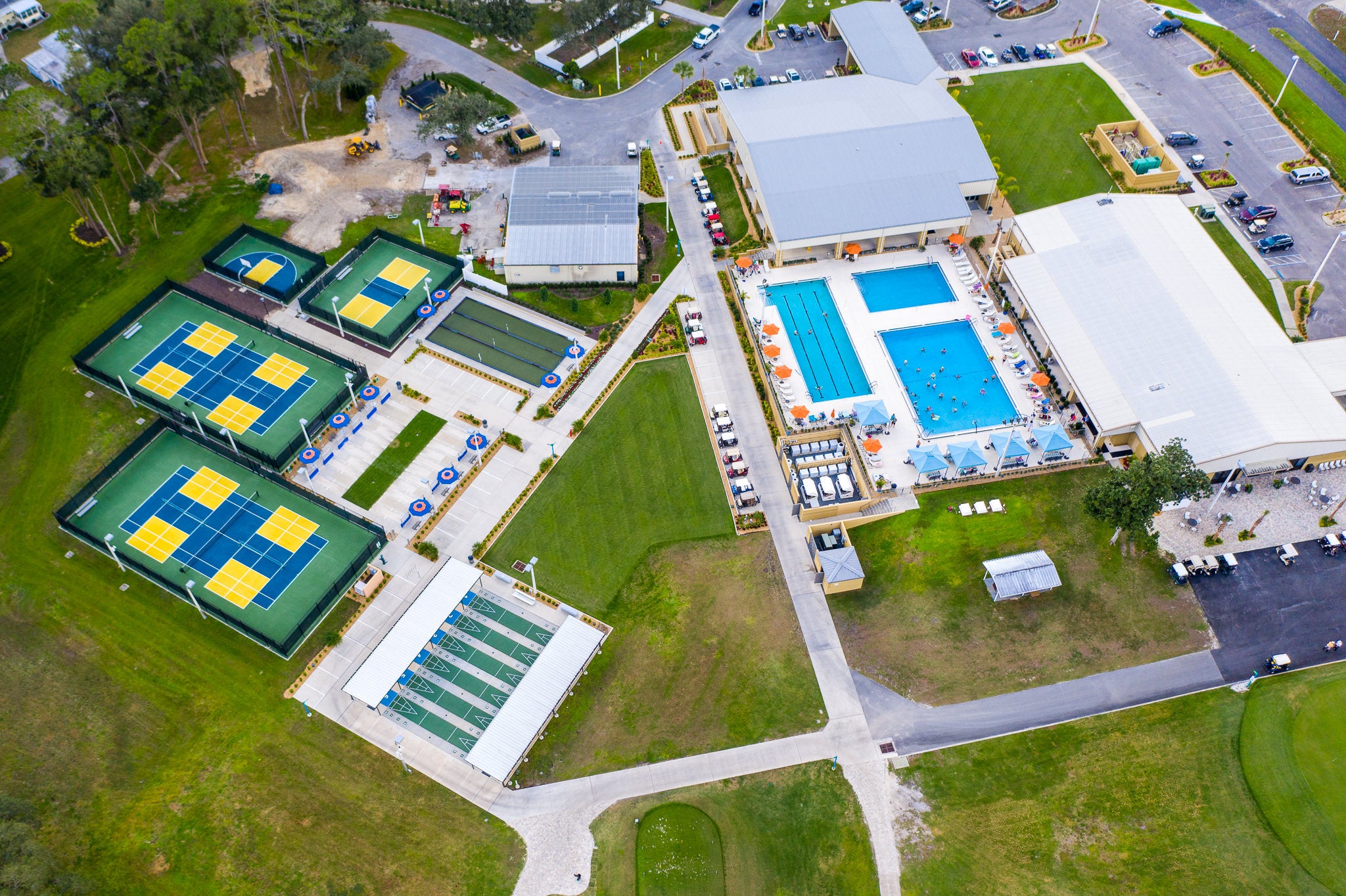

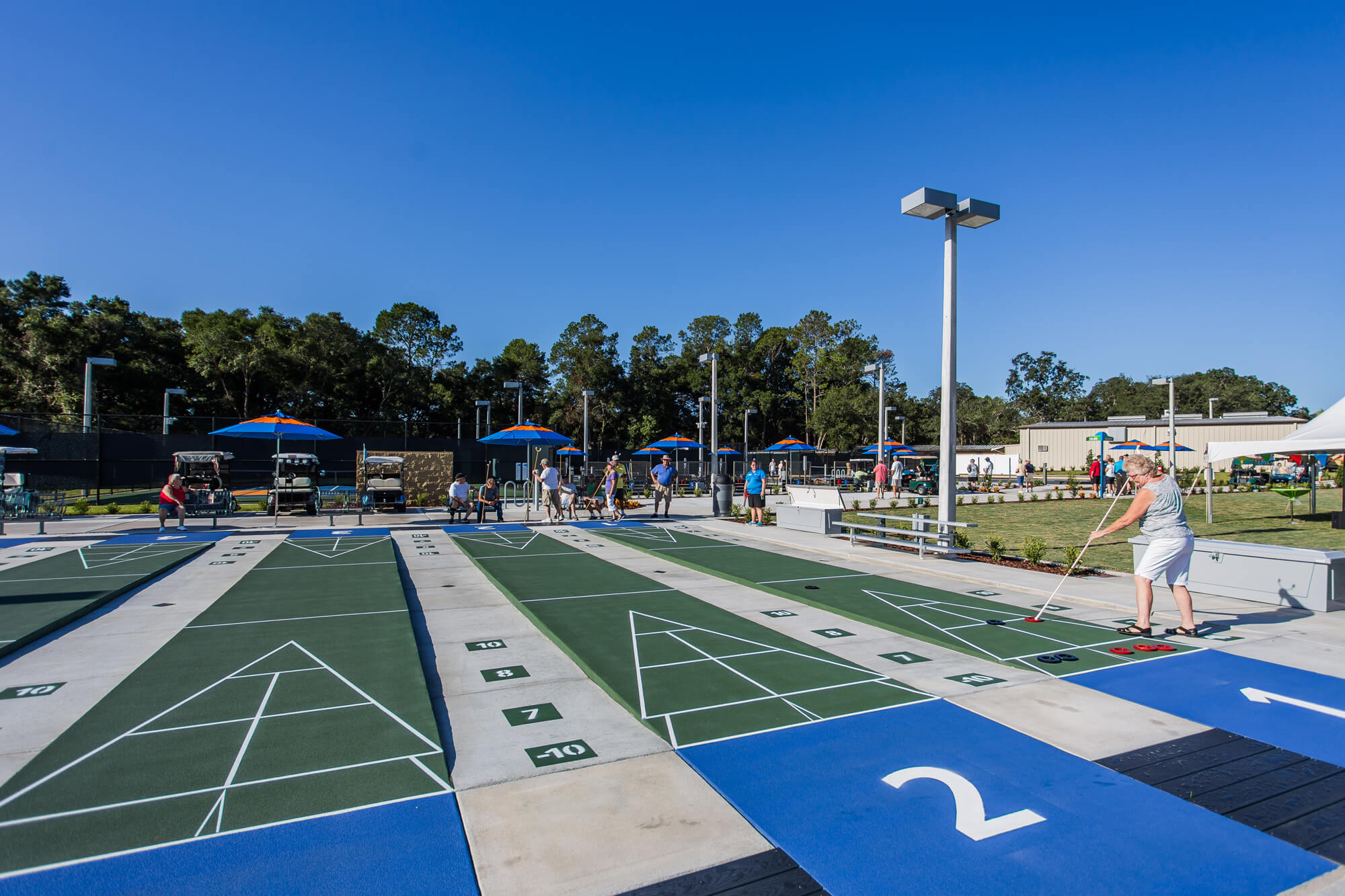
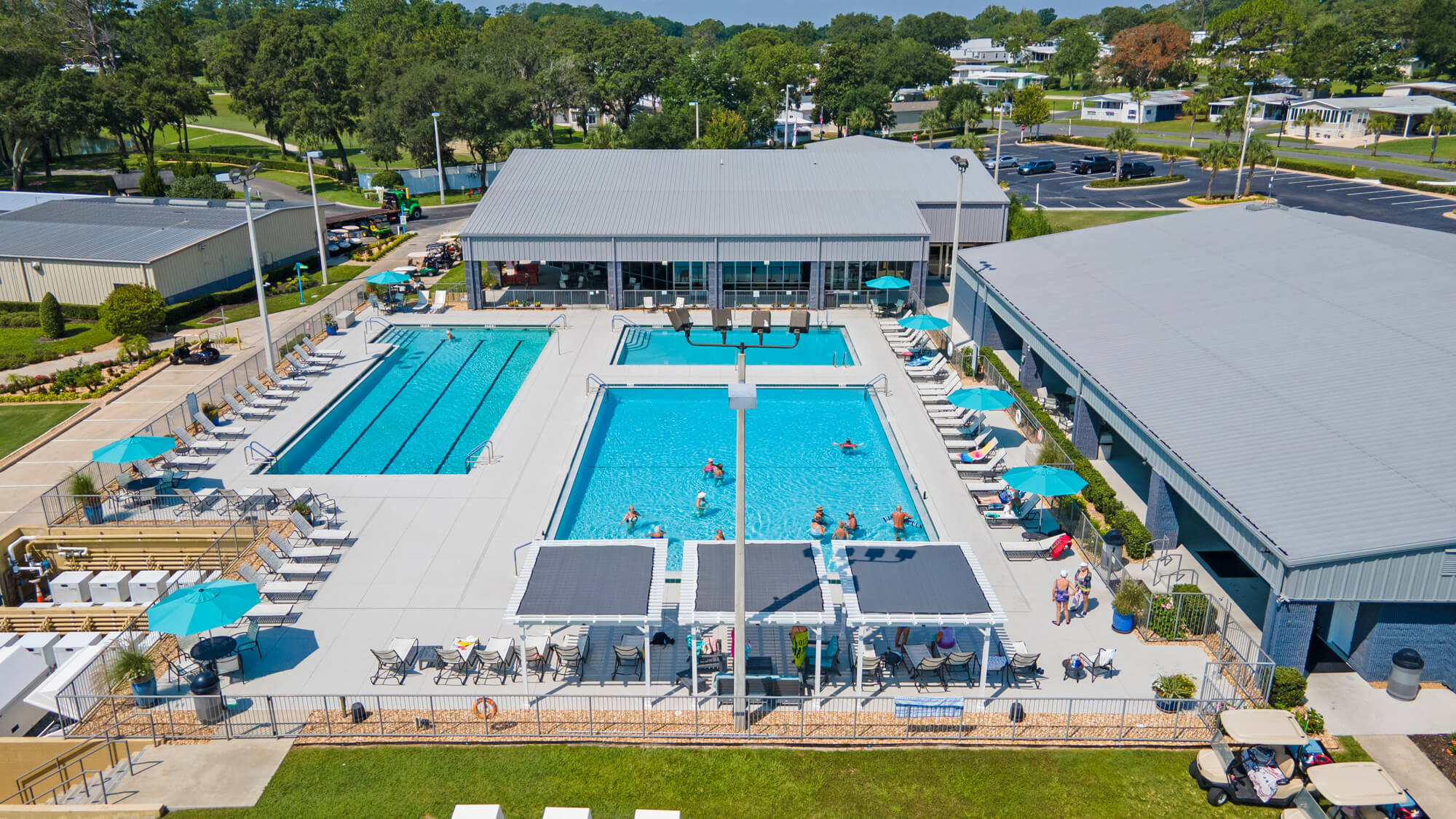
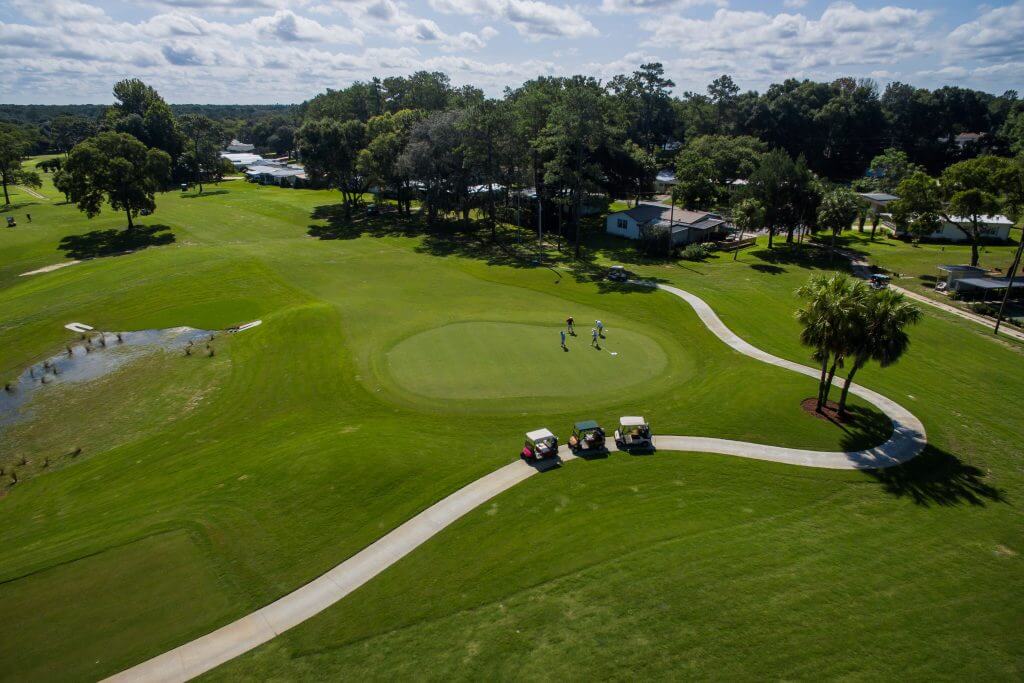
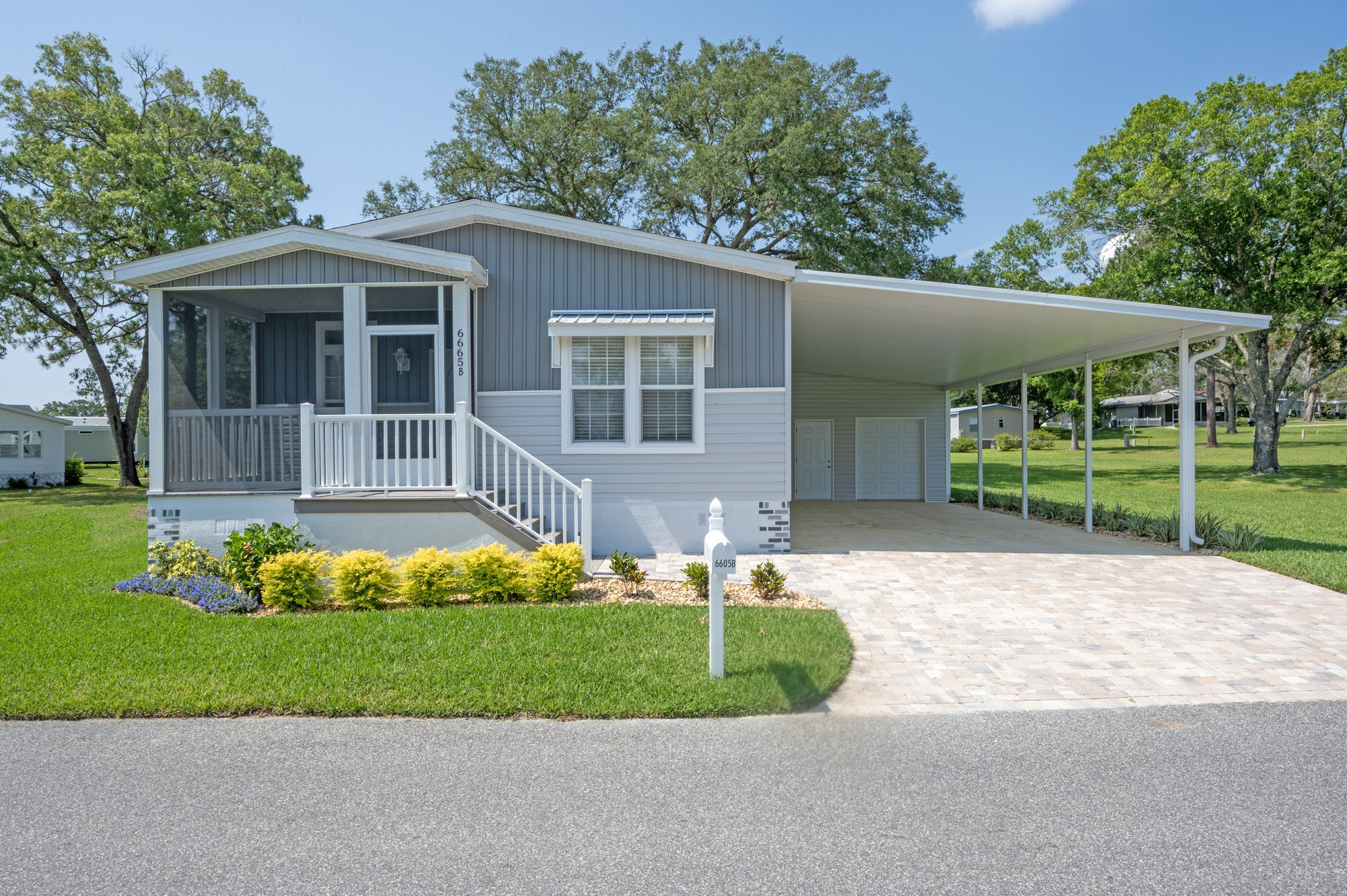
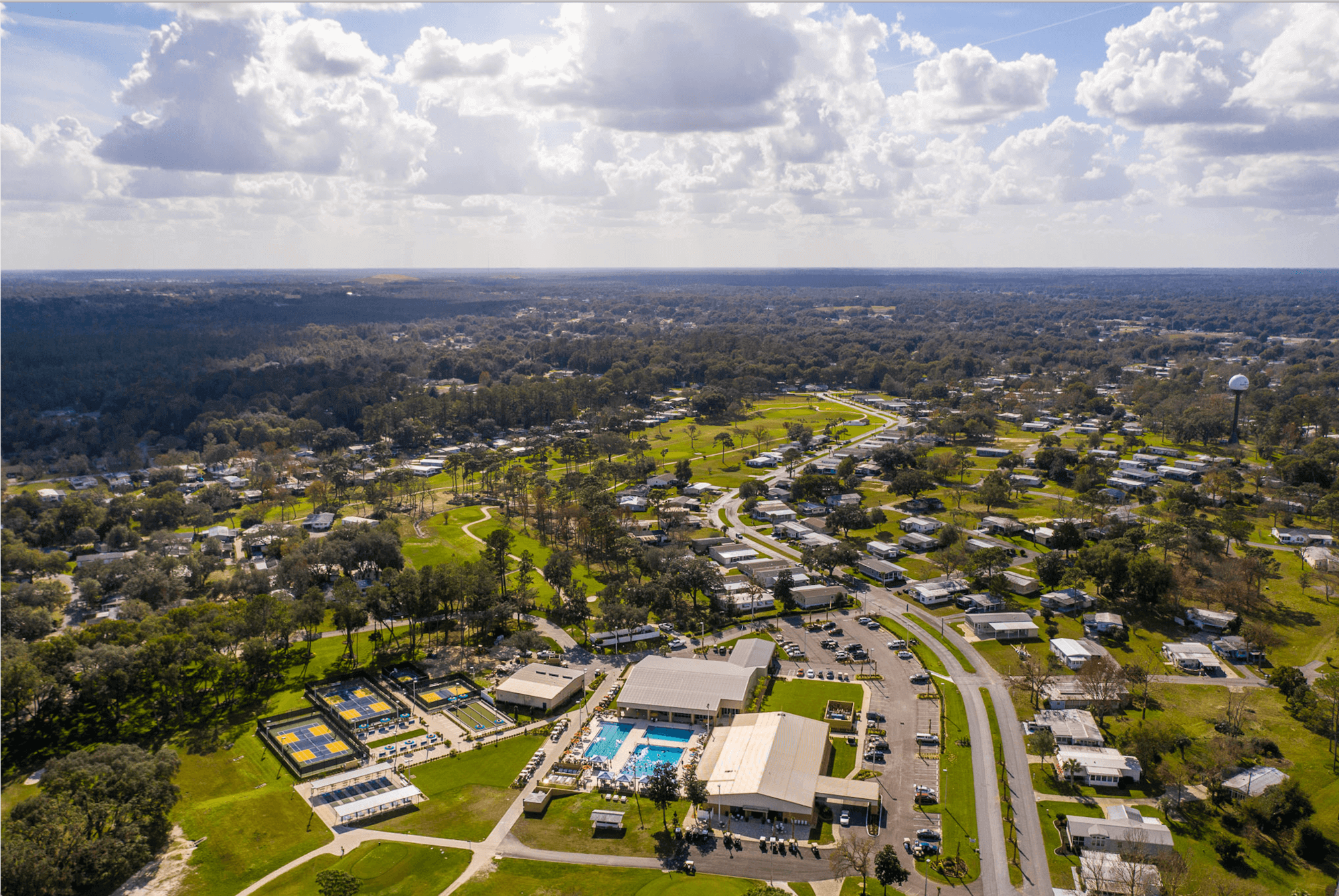
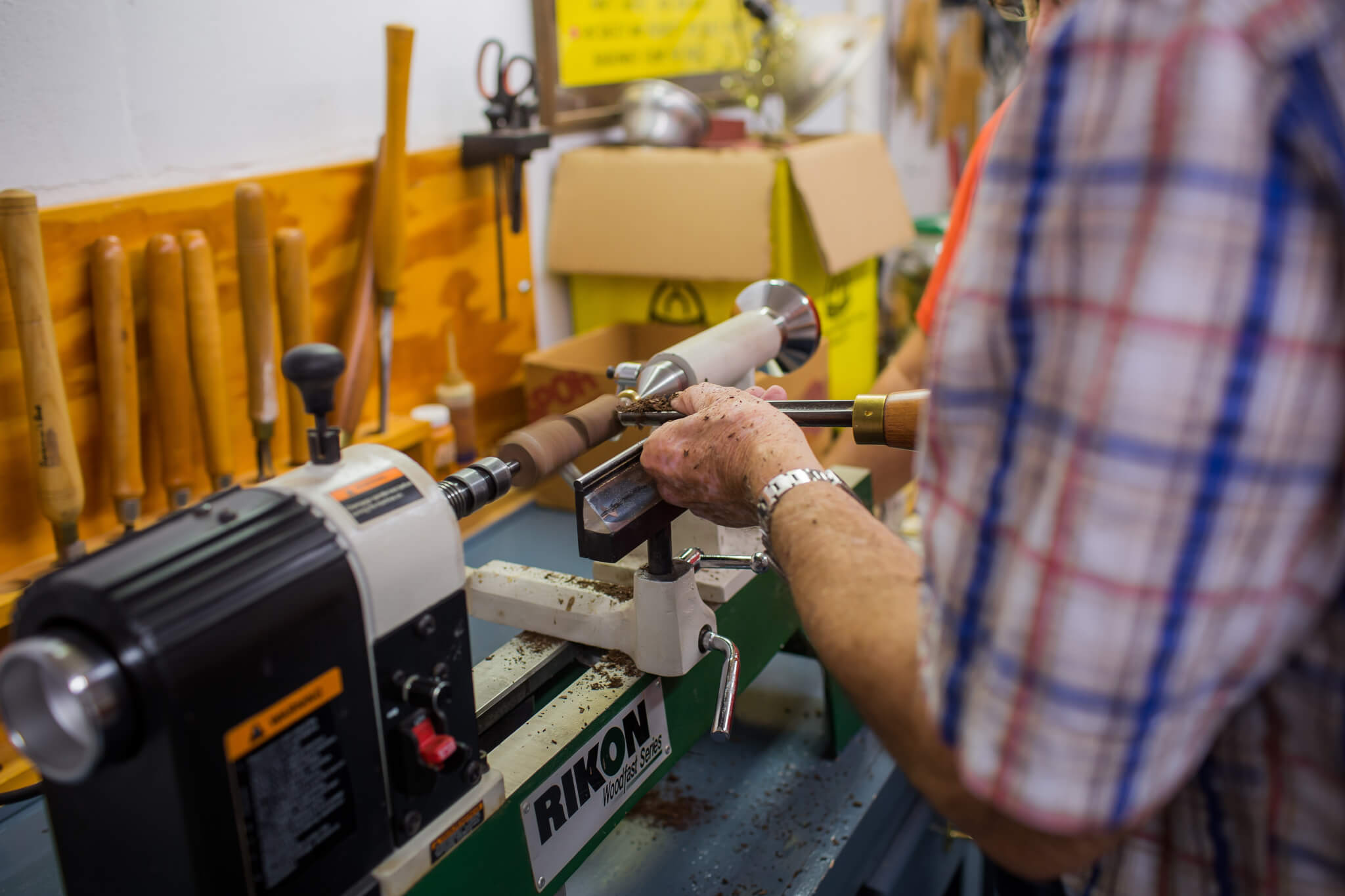
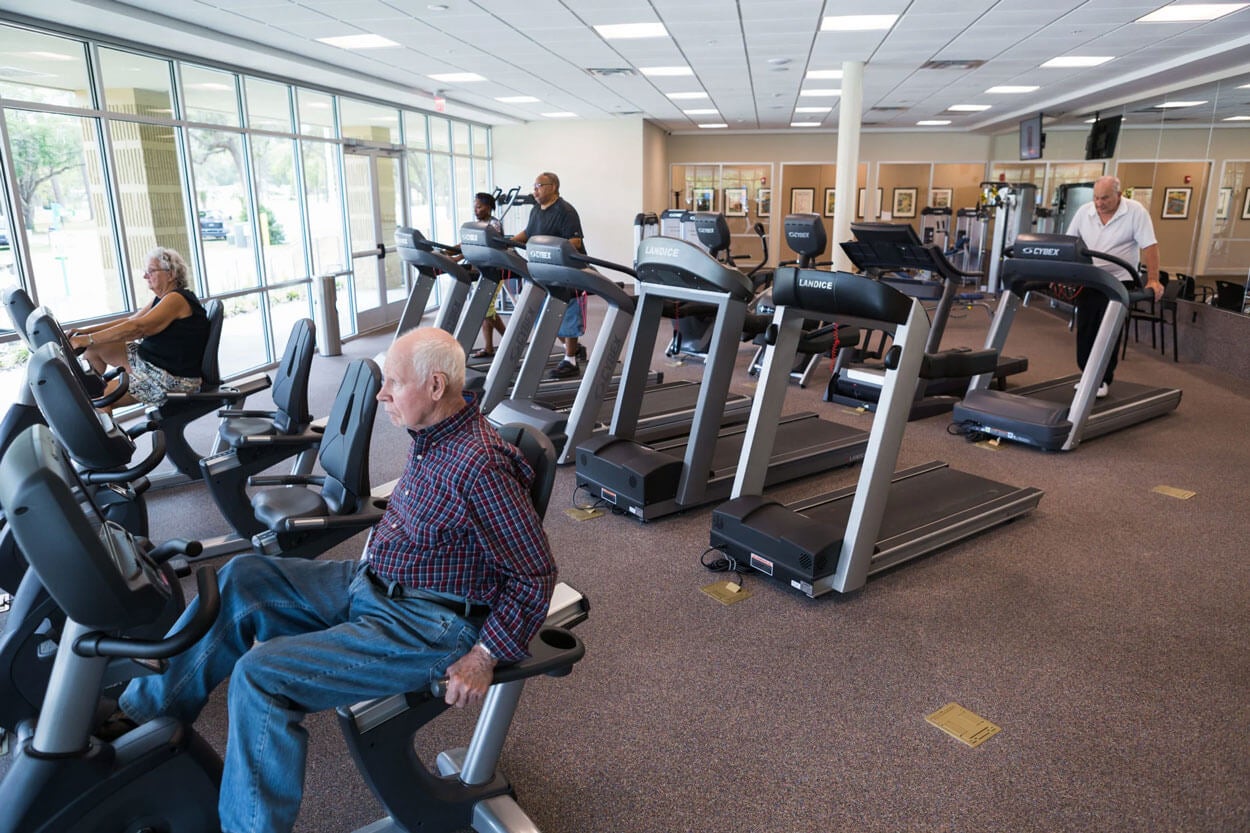



Tap the photos above to expand images of Rolling Greens Village.
The social calendar also keeps homeowners busy at Holiday RV Park in Leesburg, Florida. The land lease community is mainly comprised of park model manufactured homes. Residents enjoy community potlucks, pickleball, mini golf, and themed events year-round.
Every community offers something different. Yet many residents discover the same thing. It is easier to stay active, get involved, and build meaningful friendships when you are surrounded by neighbors in a similar stage of life.